Simple ways to reduce food waste as the festive season winds down
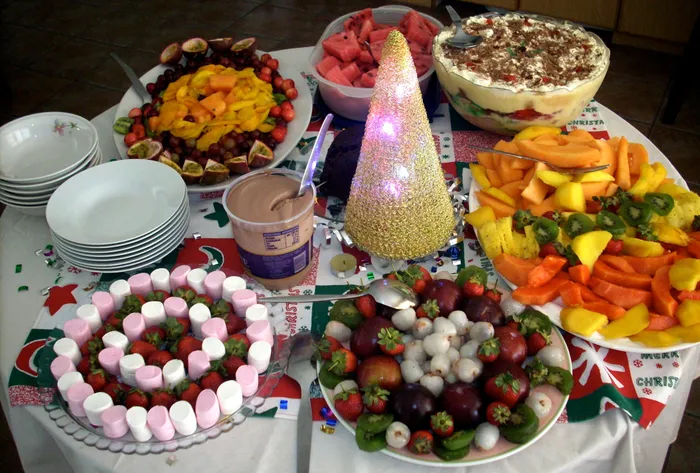
According to the City of Cape Town, managing food waste responsibly has become increasingly important, especially as organic waste is now banned from landfills by the provincial government.
Image: Ian Landsberg/Independent Newspapers
The festive season often means fuller tables, bigger celebrations, and, unfortunately, more food going to waste. But with a few simple changes at home, residents can significantly reduce food waste and help protect the environment.
According to the City of Cape Town, managing food waste responsibly has become increasingly important, especially as organic waste is now banned from landfills by the provincial government. When food waste ends up in landfills, it decomposes and releases harmful greenhouse gases, contributing to global warming, shrinking landfill space, and attracting widespread pests.
To help residents do their part, the City’s Urban Waste Management Directorate has rolled out several food waste minimisation programmes, including the distribution of compost bins to more than 10 communities this year. The initiative has seen positive uptake, with many households choosing to compost food scraps instead of throwing them away.
However, composting is just one way to reduce waste. Here are practical steps residents can take to cut down on food waste at home:
- Plan your menus around the number of guests you will expect and only buy enough ingredients for the planned meals.
- Don’t buy fruit and vegetables too far in advance, so that they don’t spoil in the fridge.
- Consider your food storage to extend the lifespan of your fruit and vegetables.
- Only dish what you can eat. Leftovers on plates often aren’t revisited and aren’t repurposed, creating unnecessary food waste.
- Transforming leftovers and surplus ingredients into new dishes is a great way to minimise food waste.
City's mayoral committee member for urban waste management, Grant Twigg, said reducing food waste starts at home.
"It’s easy to lose sight of the bigger picture and feel that our individual, household efforts can’t make a change. But it is in the home where change begins. Everyone partaking in joyous occasions this festive season is encouraged to be mindful of the way they consume and dispose of food, and help reduce the organic waste to our landfills," he said.